HOW TO DETECT AUTISM IN CHILDREN EARLY?
Autism is professionally defined as a complex neurodevelopmental disorder. It is characterized by specific behavioral deficits in three primary domains:
-
Impairments in social interaction.
-
Challenges in both verbal and non-verbal communication.
-
The presence of restricted, repetitive, and stereotypical patterns of behavior.
Recognizing the “Red Flags” in Early Childhood
Parents and educators should remain vigilant for specific behavioral anomalies. Key indicators include limited smiling or a lack of emotional responsiveness toward caregivers. Children may frequently prefer solitary play and show poor engagement with those around them. Often, their range of interests is significantly narrowed, accompanied by stereotypical actions.
A critical warning sign is language regression or severe speech delay relative to age. This occurs when a child loses previously acquired linguistic skills or fails to develop them altogether. These symptoms are most prominent in children aged between 18 and 24 months. This period is widely recognized as the “Golden Window” for the early detection of autism in children.
Why the 18-24 Month Window is Vital
In the field of special education, the period between 18 and 24 months is a time of high neuroplasticity. When we apply intensive intervention during this phase, children can learn and adapt more effectively. Missing this window may allow repetitive behaviors to become deeply ingrained, making social inclusion more challenging later in life. Understanding these signs early provides the necessary foundation for a successful support roadmap.
Taking Immediate Action for Your Child’s Future
Identifying these signs is the first step toward changing a child’s developmental trajectory. Delaying an evaluation can result in missing the most effective intervention opportunities. Professional screening and standardized assessments are essential for an accurate diagnosis. With the right support and early intervention, children can significantly improve their social inclusion and independence.
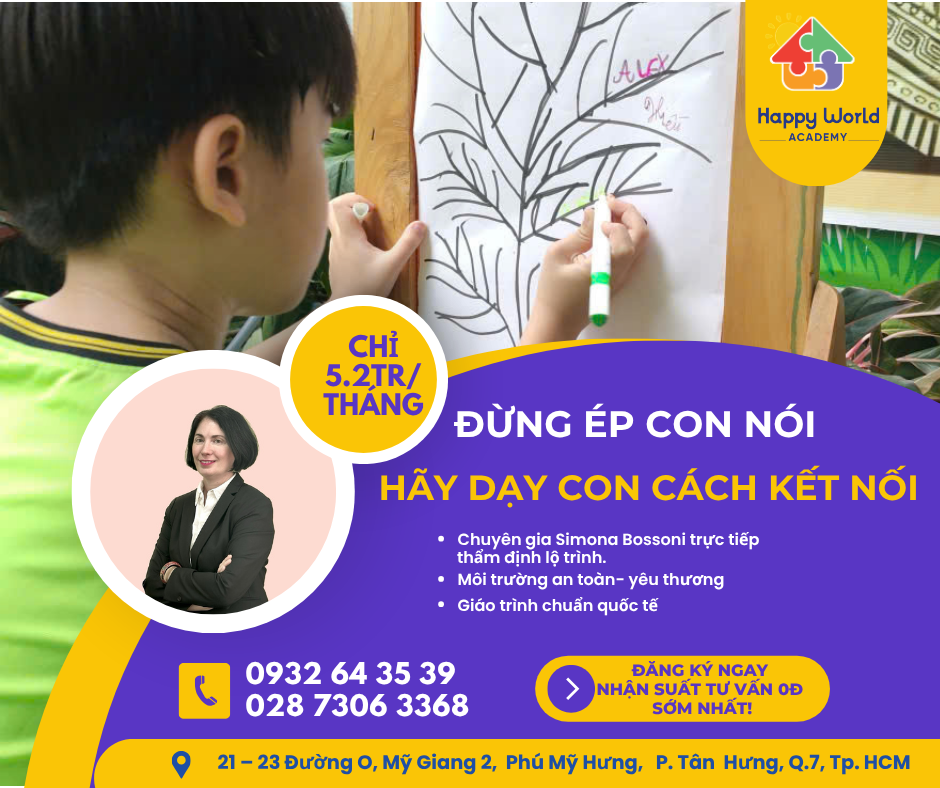
At Happy World Academy, we specialize in providing evidence-based screening and personalized intervention programs. Our multidisciplinary team is dedicated to supporting families through every step of this journey. We offer a nurturing environment designed to help children reach their full potential.
For consultations and expert support, please contact us:
-
Hotline: 0932 643 539
-
Address: 21-23 O Street, My Giang 2, Phu My Hung, Tan Hung Ward (formerly District 7), HCMC